Bring peptide therapy into your practice, responsibly.
A 14-module clinical certification taught by Dr. Rudy Mueller. It gives licensed practitioners the peptide science and the clinical framework to evaluate a patient, choose a target, design a plan and monitor it.
A fast-moving field, and the four things that make it hard to practice well.
Uneven evidence
Some peptides are well studied in people. Many are not. Misinformation fills the gap.
Regulation that keeps moving
Approval and compounding status differ by compound, and they change over time.
Real clinical demands
Storage, dosing, monitoring and follow-up all have to be done properly.
A framework, not a list
You learn to reason from mechanism and evidence, so your judgment holds as the field changes.
Fourteen modules that build in four stages.
The course moves from science to practice in a fixed order, and it ends on real patient cases.
Foundational science
What peptides are, how the body uses them as signaling messengers, and how they differ from conventional drugs.
Pharmacology and signaling
How peptides move through the body, routes of administration, and the logic behind dosing and cycling.
Therapeutic applications
The major peptide systems, patient evaluation, monitoring, and protocol design.
Case-based learning
Real patient scenarios, worked through from evaluation to follow-up.
Where the course starts
- Orientation & Clinical Context
- Foundations of Peptide Biology
- Pharmacology of Peptides
- Therapeutic Peptide Systems
Peptides, sorted by the system they act on
- The growth hormone axis
- Metabolic signaling
- Tissue repair and regeneration
- Neurocognitive and immune signaling
Four core competencies run through every module: peptide biology, patient evaluation, clinical decision-making, and monitoring and safety.
One dosing framework, taught the same way every time.
Start low, watch closely, and let the trend decide the next step.
Baseline
Assess the patient and the labs before anything is started.
Start low
Begin at the low end, with a clear reason for the choice.
Monitor
A structured lab schedule. Trend data, not point data.
Titrate
Adjust gradually, and only on what the monitoring shows.
Cycle or maintain
A deliberate decision about what happens next, and when to stop.
Six things, by the end of the course.
Always within your own license and scope of practice.
Reason from mechanism
Place any peptide on a map of the body’s signaling systems, instead of memorizing a list.
Judge the evidence
Tell a well-studied peptide from an emerging one, and say so plainly to a patient.
Know when not to
Decide when a peptide belongs in a plan and when nutrition, sleep, stress and training come first.
Build a dosing plan
Baseline, conservative start, monitoring, gradual titration, then a cycling or maintenance decision.
Monitor and respond
Run a structured lab schedule and act on the trend, not on a single number.
Design a protocol
Evaluate the patient, choose the target, select from signs, symptoms, diagnosis and labs, and write the plan.
The course, the calls, the tools and the certificate.
On-demand lessons
Recorded lessons you work through at your own pace. Access opens when you enroll.
Live Q&A call
Bring your questions and your cases to a live call.
Practice tools
Ready-to-use protocols, patient education handouts, implementation checklists and compliance frameworks.
Your certificate
Assessments, case study work, and a Certificate of Completion.
Continuing education credit for licensed providers. Your growth consultant walks you through how credits apply to your license before you enroll.
Built for licensed practitioners.
It stands on its own. You do not need to be in the Longevity certification to take it.
The clinical reasoning.
- The science of peptide signaling, taught from mechanism.
- How to weigh the evidence for each option.
- A repeatable way to evaluate, plan and monitor.
How you use it.
- What you may recommend, prescribe or source depends on your license and your state.
- Bring your license type and state to your strategy session.
- We will tell you plainly whether this fits your scope.
Taught by a clinician who does this work.
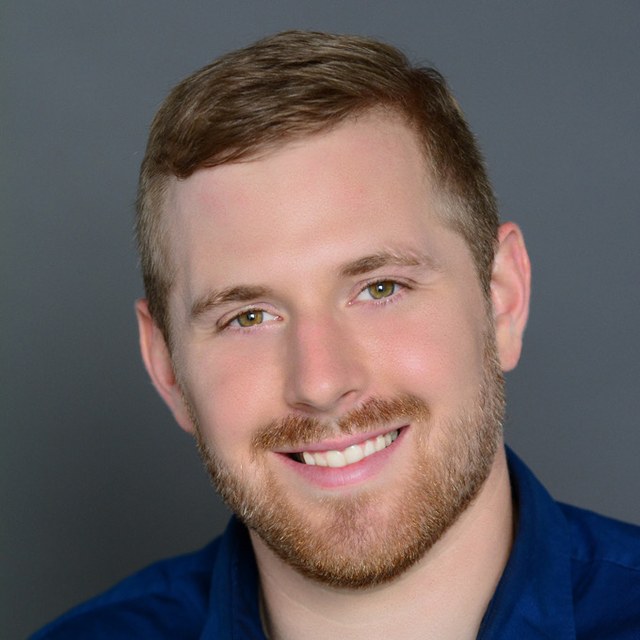
Dr. Rudy Mueller
He teaches the certification.
“Restoration, not replacement.”
- Certified Functional Medicine Practitioner through the Institute for Functional Medicine.
- Advanced Fellowship in Anti-Aging & Regenerative Medicine through the American Academy of Anti-Aging Medicine.
- Clinical focus on peptide therapy, mitochondrial health and biomarker-guided protocols.
This is professional education for licensed and credentialed health practitioners. It does not tell you how to treat any individual patient.
You are responsible for practicing within your own license, scope of practice and state rules, including whether and how you may recommend, prescribe or source any peptide.
FDA approval and compounding status, including the 503A and 503B pathways, vary by compound and over time. Verify current status before you act. This material has not been evaluated by the FDA and is not intended to diagnose, treat, cure or prevent any disease.
The questions we get most.
Is this part of the Longevity certification?
No. It is a separate certification that you enroll in on its own. Many practitioners take both.
Is it a live cohort with start dates?
No. The lessons are recorded, and your access opens when you enroll. The live part is the monthly Q&A call.
How long do I have access?
Twelve months from the day you enroll. Your growth consultant will walk you through the terms, including what happens after month twelve, before you enroll.
Is this the peptide bonus I received at an event?
No. The event bonus is a short guide. This is the full 14-module certification.
Does it carry continuing education credit?
Accreditation is in progress. Ask your growth consultant for the current status before you enroll.
Do you sell peptides?
No. This is education. It teaches the clinical reasoning, including how to think about sourcing through licensed compounding pharmacies.
Find out whether the certification fits your license and your practice.
Connect with a growth consultant. Bring your license type and your state, and leave knowing your next move.